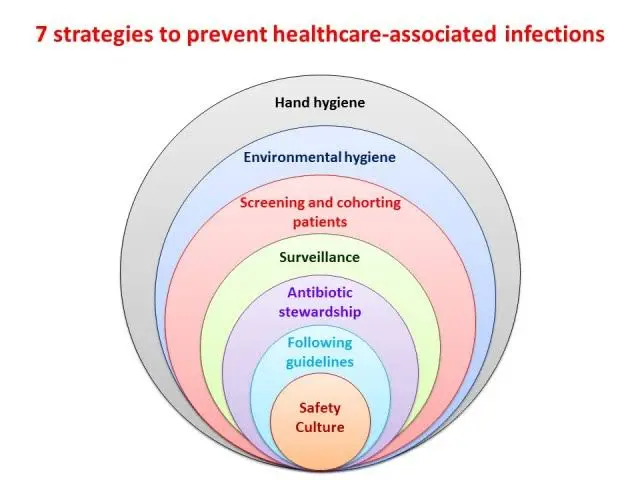
A hospital or outpatient surgical clinic should be a sanctuary for healing, yet healthcare-associated infections (HAIs) remain one of the leading causes of preventable morbidity, prolonged hospital stays, and escalated medical costs globally.
According to epidemiological data from public health agencies like the CDC and WHO, approximately 1 in every 31 hospital patients in developed healthcare systems acquires at least one HAI during their care. In high-turnover day-care centers and outpatient surgical clinics, the risk is equally acute if environmental controls and sterilization workflows slip.
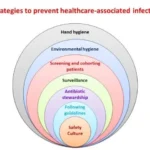
For any reputed medical center or surgical facility, infection control cannot be an afterthought. It must be codified into institutional Standard Operating Procedures (SOPs) executed consistently across four critical domains: hand hygiene, sterilization, device-associated bundles, and antimicrobial stewardship.
1. Hand Hygiene: The “Five Moments” Protocol
Hand hygiene remains the single most effective intervention to interrupt pathogen transmission between clinical staff, surfaces, and vulnerable patients.
A compliant clinic does not rely on passive signage; it enforces the World Health Organization (WHO) “My 5 Moments for Hand Hygiene” framework through regular unannounced observational audits.
1. Before touching a patient
2. Before clean/aseptic procedures
3. After body fluid exposure risk
4. After touching a patient
5. After touching patient surroundings
Institutional SOP Benchmarks
- Alcohol-Based Hand Rubs (ABHR): Dispensers with 60%–80% alcohol formulations must be mounted at point-of-care locations—outside every room, at every patient bedside, and on medication carts.
- Soap and Water Mandate: Hands must be washed with running water and chlorhexidine/antimicrobial soap for at least 40 to 60 seconds whenever hands are visibly soiled, and specifically after treating patients with spore-forming organisms like Clostridioides difficile (C. diff), where alcohol gels are ineffective.
- Bare Below the Elbows Policy: Clinical personnel in patient-facing or surgical units must maintain bare arms below the elbows (no rings, wristwatches, or artificial nails) to eliminate bacterial reservoirs.
2. Sterilization, Disinfection, and Instrument Reprocessing
Every clinic must categorize its reusable devices using the Spaulding Classification System, which dictates the minimum level of reprocessing required based on the degree of patient contact.
| Classification | Patient Contact Level | Target Devices | Mandatory SOP Process |
| Critical | Enters sterile tissue or vascular system | Surgical scalpels, implants, biopsy forceps, cardiac catheters | Sterilization (Steam autoclaving, ethylene oxide, or plasma sterilization) |
| Semi-Critical | Contacts non-intact skin or mucous membranes | Endoscopes, laryngoscope blades, respiratory therapy gear | High-Level Disinfection (HLD) (Glutaraldehyde, hydrogen peroxide, or automated AERs) |
| Non-Critical | Contacts only intact, unbroken skin | Blood pressure cuffs, stethoscopes, bedpans, exam tables | Low-to-Intermediate Disinfection (Quaternary ammonium, hospital-grade alcohol wipes) |
The Central Sterile Services Department (CSSD) Workflow
A modern clinic must physically isolate the CSSD into three distinct zones with unidirectional airflow:
- Decontamination Zone (Negative Pressure): Dirty instruments are received, manually scrubbed, and cleaned in automated ultrasonic washers.
- Packaging & Inspection Zone (Positive Pressure): Cleaned tools undergo magnifying inspection for organic debris, functional testing, and pouching with chemical indicator strips.
- Sterilization & Sterile Storage Zone (Positive Pressure): Autoclave runs are validated using three-tier monitoring: Physical monitors (time, temperature, pressure readouts), Chemical indicators (Class 5/6 internal strips), and Biological indicators (Geobacillus stearothermophilus spores run daily to confirm microbial kill).
3. Evidence-Based Clinical Care Bundles
Rather than treating device management piecemeal, top-tier clinics implement Care Bundles—cohesive sets of 3 to 5 evidence-based practices that, when executed together, reliably decrease infection rates.
1. Central Line-Associated Bloodstream Infection (CLABSI) Bundle
- Insertion: Full-body sterile draping, chlorhexidine skin antisepsis with friction, ultrasound guidance to prevent mechanical trauma, and avoidance of the femoral vein in adult patients.
- Maintenance: Daily inspection of catheter site, strict aseptic hub scrubs (“scrub the hub” for 15 seconds) before every IV access, and a daily review of whether the line can be safely removed.
2. Catheter-Associated Urinary Tract Infection (CAUTI) Bundle
- Placement restricted to strict clinical indications (e.g., acute urinary retention, precise fluid output monitoring in critical illness).
- Continuous closed drainage system maintained below the level of the patient’s bladder to prevent urine backflow.
- Immediate removal prompt built into electronic charts to reassess catheter necessity every 24 hours.
3. Surgical Site Infection (SSI) Prevention Bundle
- Pre-Op Bathing: Chlorhexidine gluconate (CHG) skin washes prior to elective procedures.
- Hair Removal: Shaving with razors causes microscopic skin nicks that breed bacteria; clinics must use electric surgical clippers immediately prior to incision.
- Prophylactic Antibiotics: Administered strictly within 60 minutes before surgical incision and discontinued within 24 hours post-operatively.
- Normothermia & Glycemic Control: Maintaining patient core temperature above 36°C and keeping perioperative blood glucose controlled to optimize tissue oxygenation and immune function.
4. Environmental Cleaning & High-Touch Surface Protocols
Pathogens such as MRSA, VRE, and Acinetobacter can survive on dry clinical surfaces for days or weeks. Reputed facilities deploy strict environmental safety protocols:
- Two-Step Cleaning: Surfaces must first be cleaned with detergent to remove organic soil, followed by application of an EPA-registered hospital disinfectant.
- Contact (Dwell) Time Compliance: Disinfectant wipes are useless if the surface dries immediately. Housekeeping SOPs require surfaces to remain visibly wet for the manufacturer’s specified dwell time (often 1 to 4 minutes).
- Terminal Cleaning of Operating Suites: Thorough decontamination from clean-to-dirty zones, ceiling-to-floor, accompanied by ultraviolet-C (UV-C) light decontamination or hydrogen peroxide vapor systems in high-risk barrier rooms.
- Air Handling in Operating Suites: Positive-pressure airflow maintaining a minimum of 20 air changes per hour (ACH) through high-efficiency particulate air (HEPA) filters.
Frequently Asked Questions (FAQs)
What is the difference between an HAI and a community-acquired infection?
An infection is classified as healthcare-associated (HAI) if signs and symptoms were not present or incubating at the time of admission, typically developing 48 hours or more after admission, or within 30 days following an invasive surgical procedure (up to 90 days if an implant or prosthetic device is placed).
What role does Antimicrobial Stewardship play in infection control?
Antimicrobial Stewardship Programs (ASP) ensure that antibiotics are prescribed only when clinically indicated, with the right drug, dosage, and duration. Overusing broad-spectrum antibiotics strips patients of protective gut flora and breeds multidrug-resistant “superbugs” (like CRE and MRSA), making institutional stewardship a direct pillar of patient safety.
How can a patient evaluate an outpatient clinic’s infection control practices?
Observe common visible signals: check whether the staff sanitizes their hands upon entering the exam room, ensure disposable paper bed rolls are refreshed in front of you, confirm single-use needles and syringes are unpacked from factory packaging in your presence, and verify that the facility displays formal healthcare accreditation (such as Joint Commission, AAAHC, or NABH).
What is the protocol when a patient tests positive for a multidrug-resistant organism (MDRO)?
The clinic immediately institutes Contact Isolation Precautions: the patient is placed in a private room or cohort, clinical staff must wear disposable gowns and gloves before entry, non-critical medical equipment (stethoscopes, blood pressure cuffs) is dedicated exclusively to that patient, and dedicated terminal disinfectant cleaning is enforced upon discharge.